JETRAY / Battery engineering & sourcingShenzhen, Chinasale1@jetray.cn ↗
JETRAYCylindrical Battery CellsBlog
01

Cell format

Identify the exact model

02

Documented ratings

Compare at matching conditions

03

Lot traceability

Protect sourcing continuity

01 / The collection

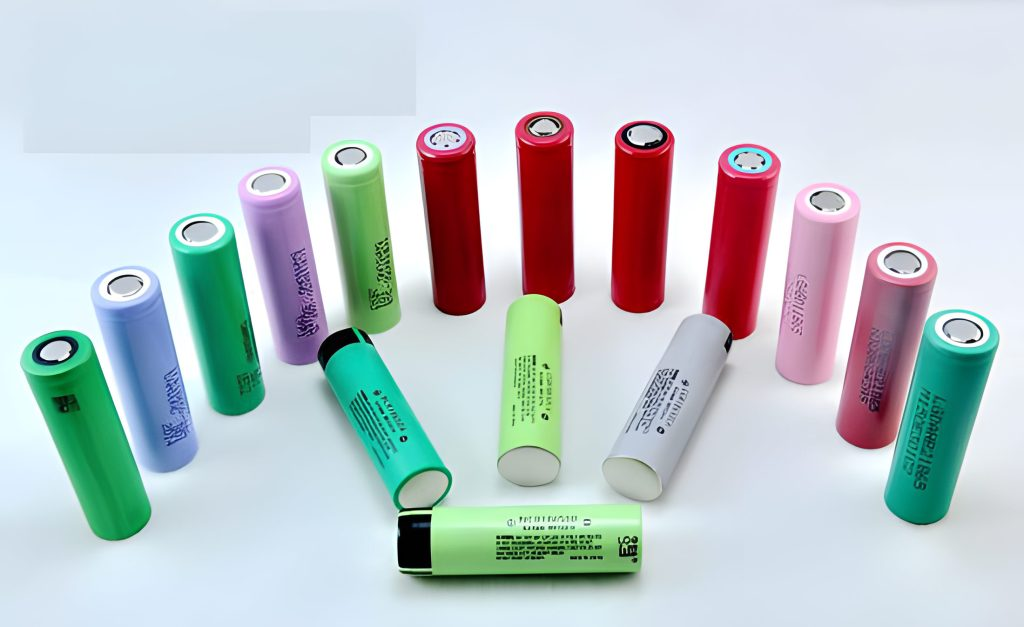
Start with the right product reference.

Catalogue data is a starting point. Confirm the current model specification and application requirements before design-in.

View all specifications
02 / Engineering perspective

A specification built around the work.

Cylindrical Battery Cells selection starts with the equipment. Use electrical, mechanical and operating requirements to create a clearer supplier conversation.

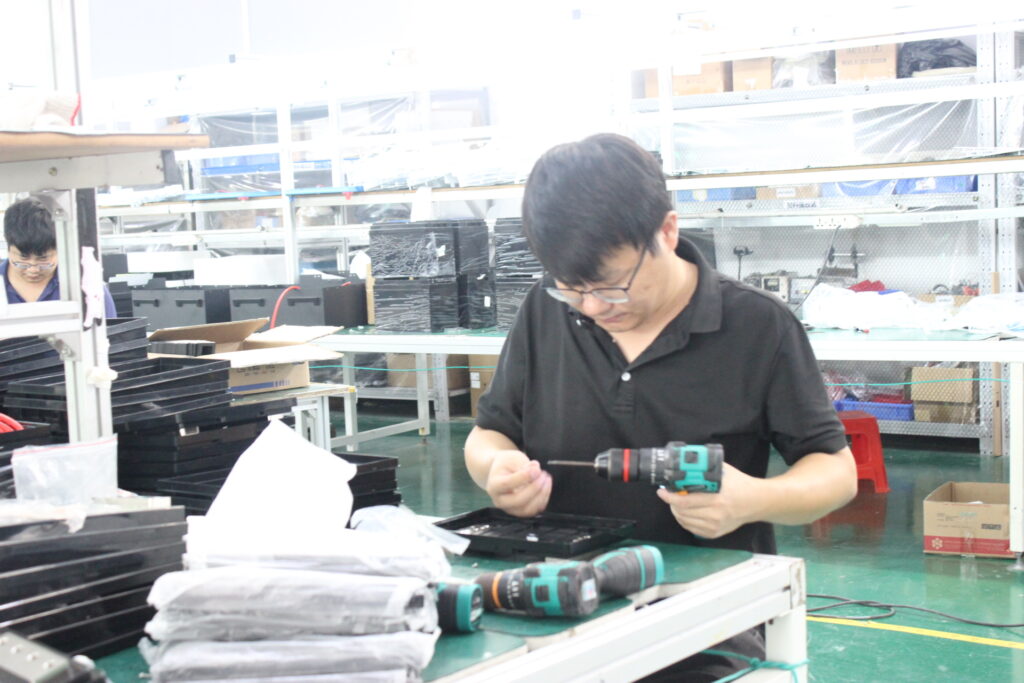
Production workspace shown on the Jetray factory website

Photography from Jetray’s published factory page.

Identify the exact model

A shared size does not make cells interchangeable. Record chemistry, manufacturer and the complete model code.

Compare at matching conditions

Read discharge rate, cutoff voltage and temperature alongside capacity and current ratings.

Protect sourcing continuity

Agree acceptable substitutions, lot traceability and document revision control before repeat orders.

03 / Application planning

See the system around the battery.

Each application needs its own integration review. A similar voltage or physical format does not establish compatibility.

01

Battery pack development

Use a documented cell model and validated electrical limits as the foundation of the pack design.

Review requirements
02

Industrial electronics

Match pulse demand, storage conditions and expected maintenance to the selected chemistry.

Review requirements
03

Component procurement

Confirm manufacturer, model revision, lot information and transport documentation in the purchase specification.

Review requirements
APPLICATION CASE FILES / CELL SELECTION & SOURCING

See the decisions behind an application.

Explore practical planning briefs for cylindrical battery cells: the operating challenge, integration approach and sample-review questions.

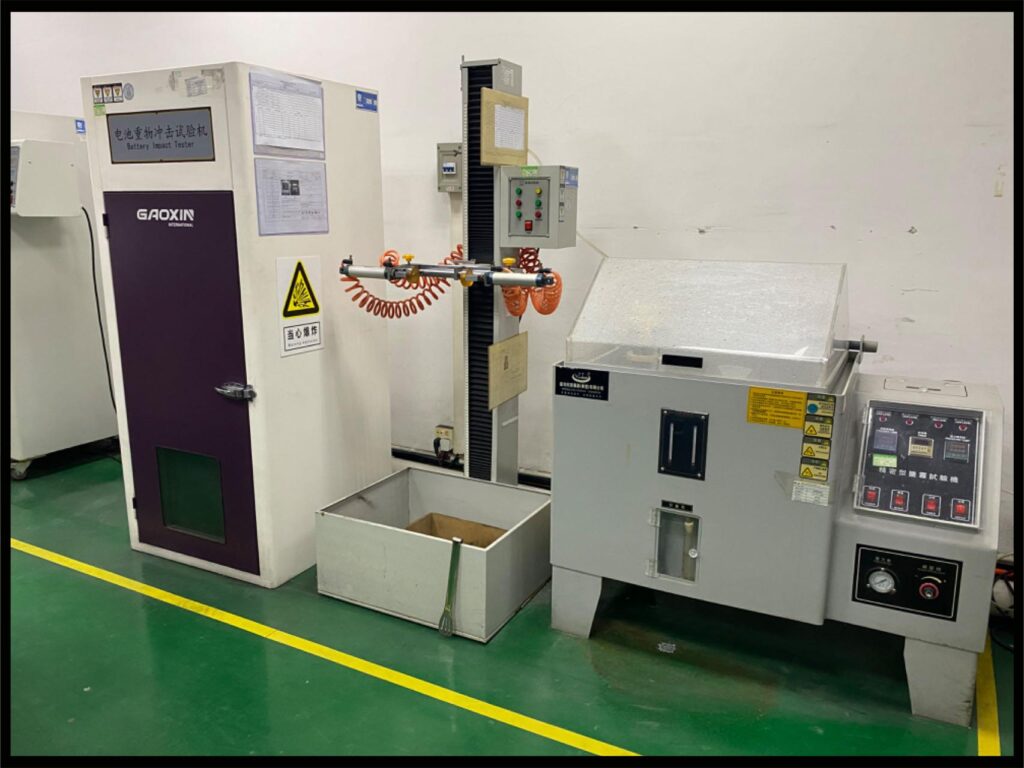
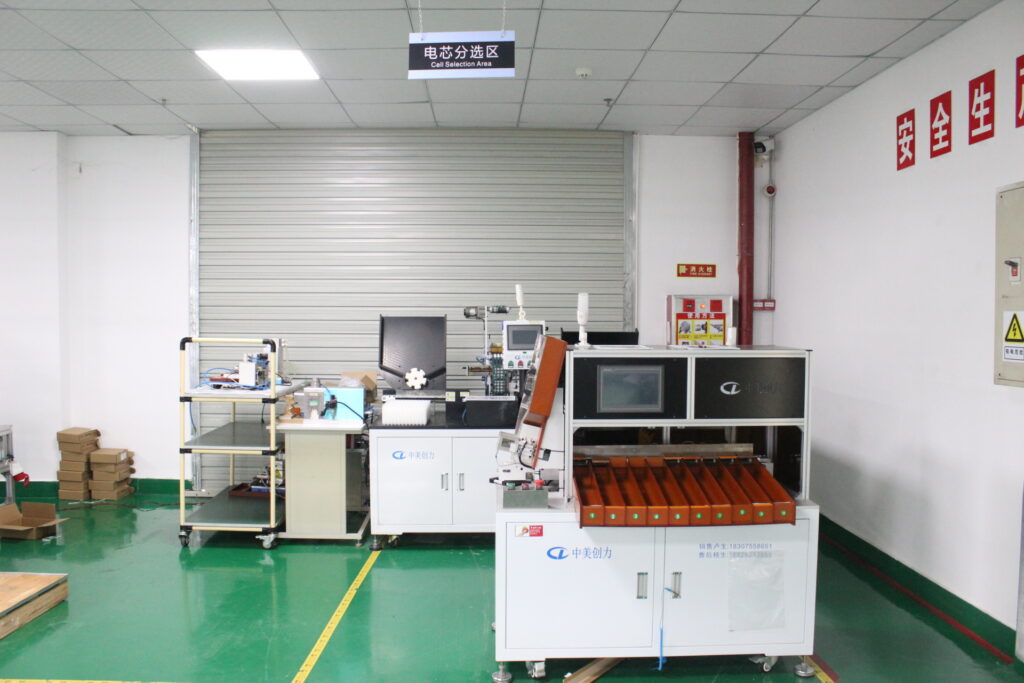
These are application planning examples, not documented customer deployments. Factory photographs are from the Jetray corporate website and do not identify a customer project.

04 / Blog & technical insights

Useful answers for better decisions.

Practical guidance for engineers and purchasing teams, with sources for further review.

05 / Questions, answered

Before you specify.

Keep the important decisions visible.

Are 18650 and 21700 cells interchangeable?

Their dimensions differ and their electrical limits are model-specific. A substitution requires a review of the enclosure, interconnects, protection and operating conditions.

Does a larger cell always provide more power?

No. Energy, continuous current, thermal behavior and the intended duty cycle need separate evaluation using the exact datasheet.

How can I compare quotations?

Compare the same cell model, quantity, lot requirements, documentation, packaging and delivery terms. A price comparison without those fields can be misleading.

How do I compare cylindrical cell datasheets fairly?

Use the exact model datasheets and align capacity, current, voltage and temperature conditions. Distinguish typical and minimum values before comparing the ratings.

Can two cylindrical cells with the same size replace each other?

No. Matching dimensions do not establish the same chemistry, voltage, current limits, thermal behavior or validated pack suitability. A substitution requires an engineering review.

What should a buyer request before approving a cell model substitution?

Request the old and proposed model data, a clear change description and the affected configuration and test evidence. Follow the equipment and pack manufacturer’s change-control requirements.

A useful conversation starts with a specification

Tell us what your equipment needs.

Share the load, dimensions and intended use. Ask for a current model specification and a project review.

Discuss your project

Product comparison