Engineering insight · 3 min read
Choosing a Cylindrical Cell Format for an OEM Product
Compare cylindrical formats through finished-pack geometry, energy, current requirements and a controlled model specification.
Read the guidePractical reading about selection, integration and purchasing. Each guide includes source references and connects to a relevant project discussion.
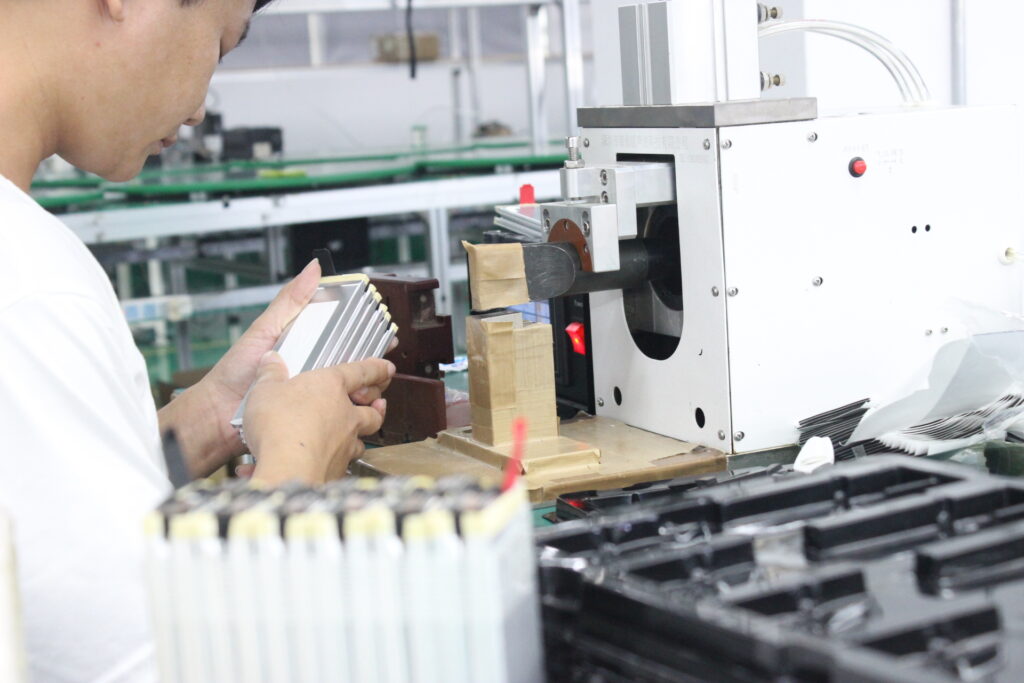
Compare cylindrical formats through finished-pack geometry, energy, current requirements and a controlled model specification.
Read the featured guide ↗Compare cylindrical formats through finished-pack geometry, energy, current requirements and a controlled model specification.
Read the guideRead cell specifications with the right definitions and separate bare-cell data from finished battery pack requirements.
Read the guideA structured change review for OEM teams when a battery supplier proposes a different cylindrical cell model.
Read the guideThe Blog connects practical product selection with integration and purchasing decisions.
| Start here when… | Consider these questions | Read next |
|---|---|---|
| You are defining the requirement. | Format does not identify performance · Compare the finished assembly geometry | Choosing a Cylindrical Cell Format for an OEM Product |
| You are integrating a configuration. | Which exact product does the document describe? · How are capacity and energy measured? | Five Questions to Ask About a Cylindrical Cell Datasheet |
| You are preparing an RFQ or evaluation. | Treat substitution as an engineering change · Compare the electrical behavior | Reviewing a Proposed Battery Cell Substitution |
Share the load, dimensions and intended use. Ask for a current model specification and a project review.